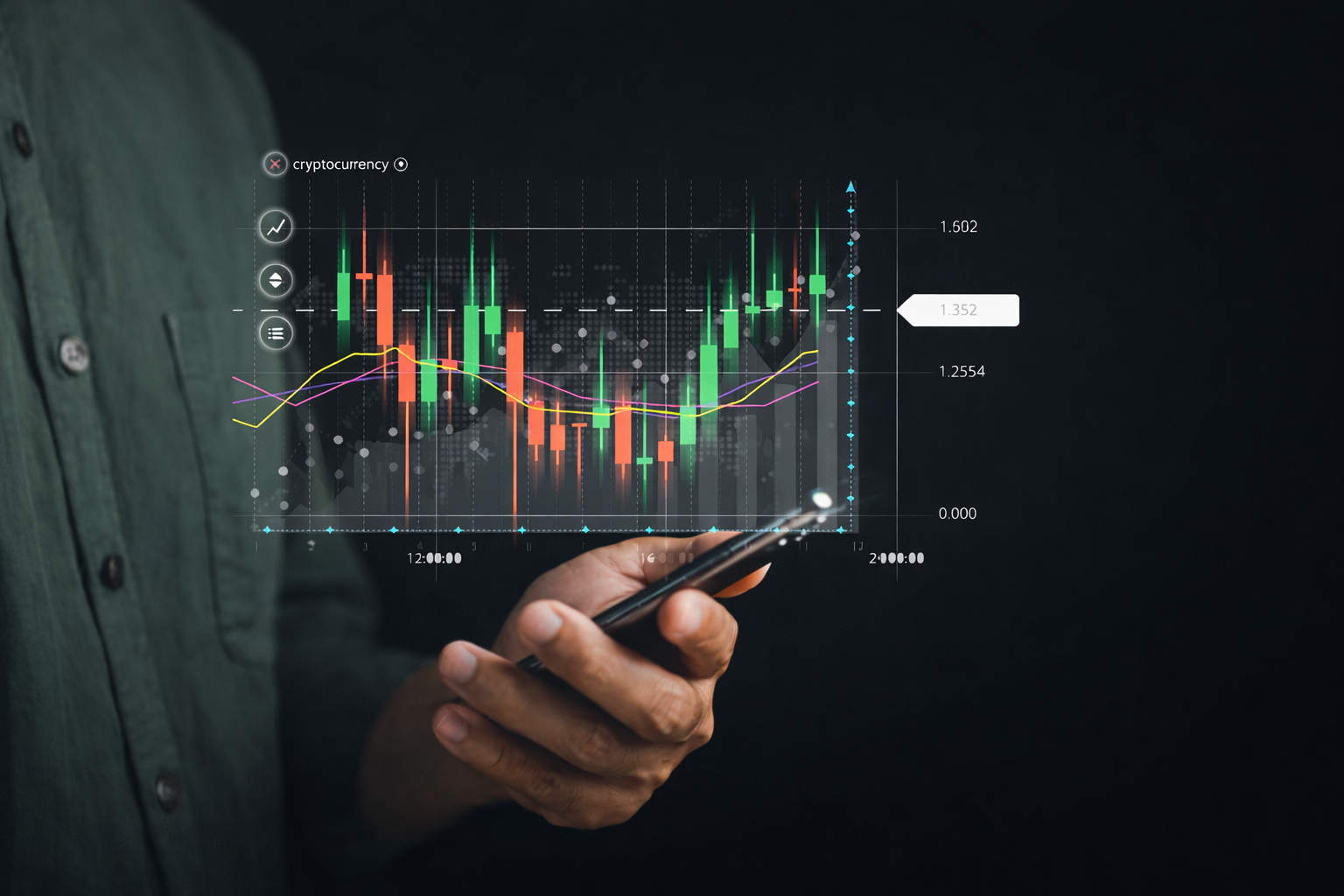
1. Artificial Intelligence & Algorithmic Trading Dominance
Artificial Intelligence (AI) is no longer optional in forex — it’s becoming the backbone of modern trading.
🔹 AI-Powered Trading Systems
Machine learning models now analyze:
-
Historical price data
-
News sentiment
-
Central bank speeches
-
Geopolitical events
-
Social media signals
Advanced AI systems can execute trades in milliseconds, reducing emotional decision-making and improving consistency.
🔹 Retail Access to AI
Previously, algorithmic trading was limited to hedge funds and institutions. Now:
-
Retail traders use automated bots.
-
AI signal platforms provide predictive analytics.
-
Cloud-based trading software makes automation affordable.
Future Outlook:
By 2030, over 70% of forex volume is expected to be executed via algorithmic systems.
2. Rise of Decentralized Finance (DeFi) & Blockchain Integration
Blockchain technology is reshaping global finance. While forex remains centralized, decentralized finance is influencing its future.
🔹 Tokenized Currencies
-
Stablecoins like digital USD equivalents compete with traditional fiat transfers.
-
Cross-border settlements become faster and cheaper.
🔹 Smart Contracts in Forex
Smart contracts could automate:
-
Settlement processes
-
Margin requirements
-
Compliance checks
🔹 Central Bank Digital Currencies (CBDCs)
Countries are launching CBDCs to modernize monetary systems. For example:
-
People's Bank of China has already tested the digital yuan.
-
European Central Bank is exploring the digital euro.
Future Impact:
CBDCs could dramatically change liquidity flows and international currency trading structures.
3. Increased Regulation & Transparency
As forex grows, governments and regulators are tightening rules.
🔹 Stricter Broker Regulations
Authorities like:
-
Financial Conduct Authority (UK)
-
Commodity Futures Trading Commission (USA)
are enforcing stricter leverage limits, compliance rules, and client fund protection measures.
🔹 Anti-Money Laundering (AML) Expansion
Global AML regulations will:
-
Increase KYC requirements
-
Limit anonymous trading
-
Enhance transaction tracking
Trend Prediction:
Greater transparency will reduce fraud but may limit extreme leverage opportunities for retail traders.
4. Social & Copy Trading Expansion
The rise of social trading platforms has changed retail participation.
🔹 Copy Trading Platforms
Platforms like:
-
eToro
-
ZuluTrade
allow traders to copy professional strategies automatically.
🔹 Community-Driven Strategies
Future trading platforms will integrate:
-
Live strategy sharing
-
Trader performance analytics
-
AI-based ranking systems
Future Outlook:
Forex trading may become more community-driven rather than individual-based.
5. Mobile-First & Cloud-Based Trading
The future trader is mobile.
🔹 5G & Faster Execution
Ultra-fast internet enables:
-
Reduced latency
-
Real-time market updates
-
Instant execution
🔹 Cloud Infrastructure
Cloud platforms reduce:
-
Server downtime
-
Hardware costs
-
Technical barriers
By 2030, over 80% of retail trades may be executed via mobile devices.
6. Integration of Big Data & Sentiment Analysis
Big data is becoming critical.
🔹 News-Based Trading
AI tools scan:
-
Financial headlines
-
Central bank announcements
-
Political developments
🔹 Sentiment Indicators
Market psychology analysis through:
-
Social media trends
-
Retail positioning data
-
Volatility indexes
Future trading dashboards will likely show:
-
Real-time sentiment heatmaps
-
Risk probability scoring
-
Predictive volatility forecasts
7. Sustainable & ESG Currency Influence
Environmental, Social, and Governance (ESG) factors are influencing currencies.
-
Countries with strong green policies may attract investment.
-
Climate events can affect commodity-linked currencies.
-
ESG ratings could indirectly impact forex volatility.
Green economies may create new trading opportunities.
8. Quantum Computing: The Long-Term Game Changer
Though still developing, quantum computing could:
-
Break current encryption systems.
-
Transform risk modeling.
-
Analyze multi-dimensional market variables instantly.
This may completely reshape algorithmic trading frameworks.
9. Challenges Ahead
Despite innovation, forex faces challenges:
⚠ Cybersecurity Risks
More digital systems = more hacking risks.
⚠ Over-Automation
AI errors could cause flash crashes.
⚠ Regulatory Fragmentation
Different countries may implement conflicting rules.
10. What Traders Should Do to Prepare
To stay competitive in the future forex market:
✔ Learn algorithmic trading basics
✔ Understand AI-based indicators
✔ Stay updated on global regulations
✔ Diversify across assets
✔ Focus on risk management
✔ Embrace technological tools
Final Thoughts
The future of forex trading is not just digital — it’s intelligent, automated, decentralized, and data-driven. Traders who adapt to AI tools, regulatory shifts, and technological advancements will thrive.
Forex is evolving from manual speculation to smart, algorithm-powered execution.
The next decade will reward traders who:
-
Combine human judgment with AI precision
-
Prioritize education and innovation
-
Adapt quickly to global economic changes